



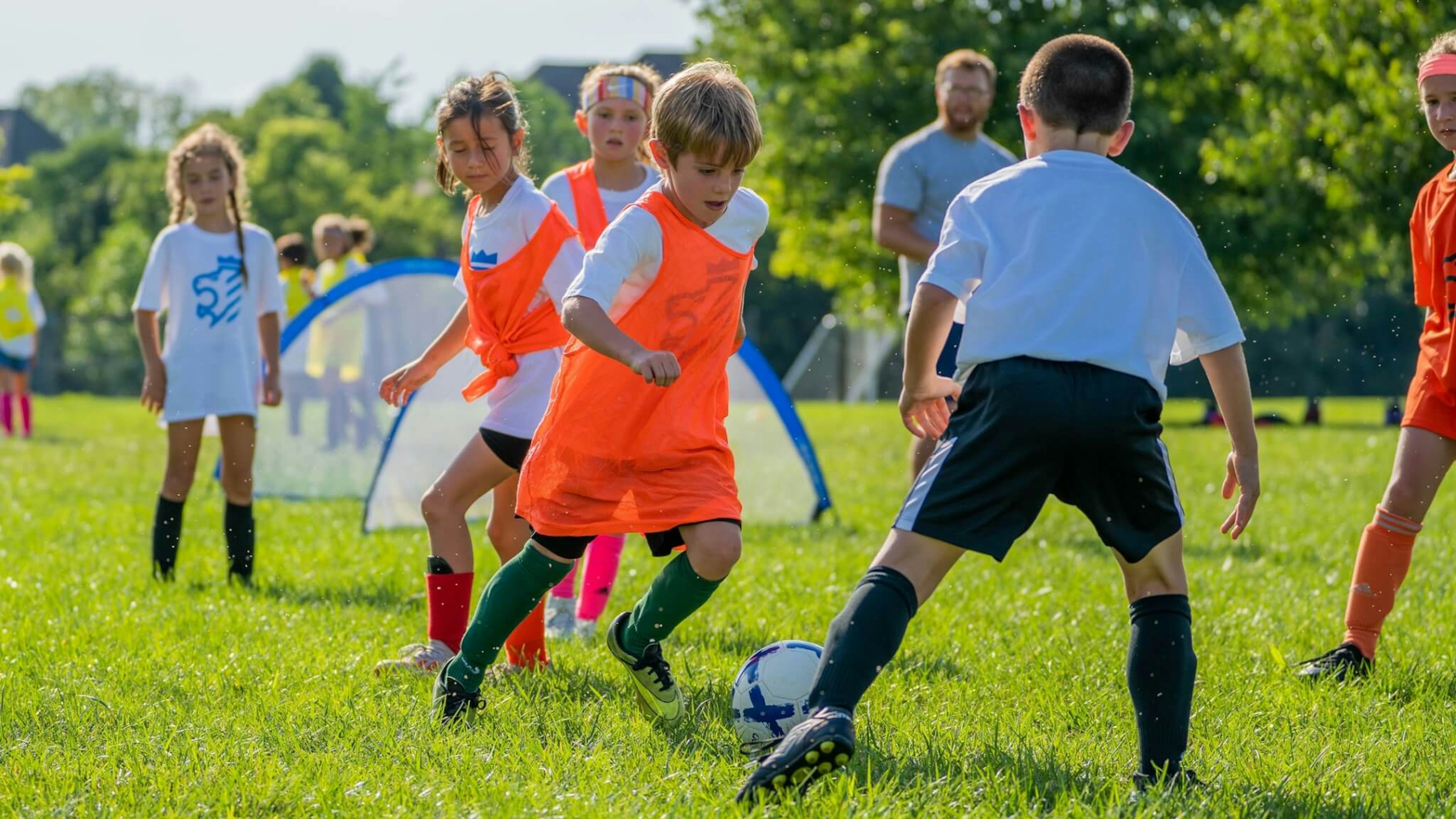
Youth Sports & Mental Health
January 24, 2023
In last month’s Club Newsletter, we looked at the final of 5 components of R.O.O.T.S.-SELF. It was mentioned that mental health was a critical piece in SELF…
Mental Health-often a forgotten part of a player’s development. Self-talk, self-esteem, confidence and other emotional and social influences play a major role in each player’s success.
Over the last five years there has been an increased focus on athlete mental health, including the impacts seen in youth participants. Increased exposure to social media, isolation due to Covid 19, and This trend was evident at the recent United Soccer Coaches annual conference which hosts numerous clinics, workshops, seminars, and courses covering a variety of topics in the sport. An increased number of these sessions were focused on topics related to the psychology, wellness, and mental health/performance of athletes, especially youth athletes under the age of nineteen.
Benefits of Youth Sports
Most parents and coaches are fairly fluent in the benefits of participating in youth sports:
Increased physical activity-coordination, balance, agility, overall fitness
Improved social skills-making friends, communication, collaboration, teamwork
Character building-determination, discipline, confidence, self-esteem
Finding mentors-coaches, older players, and teammates
Each of these benefits of youth sports participation can have a positive impact on the mental health of a young person. However, they do not make them immune to mental health issues. Unfortunately, fewer adults (or players) are aware of, recognize, or are willing to address some of the stressors that youth sports can present to young athletes.
Potential Pitfalls of Youth Sports
Here are some of the potential issues that may arise:
Overscheduled athlete-diminished time for school, friends, relaxation, sleep, etc.
Performance/results emphasis-can be self-inflicted by athlete or by parent/coach
Skewed Identity-sense of self overly/only linked to sport
Loss of autonomy-athlete not able to deal with challenges independently
These and other issues can result in increased stress, feelings of depression, lack of confidence, and loss of self-worth. Here are some potential signs that a young athlete may be facing some of these difficulties:
Signs an Athlete May be Struggling
Repeated absences or requests to skip a practice or game
Decline in performance-in sport, class, other activities, etc.
Inappropriate or exaggerated actions-Intense irritability or anger
Changes in socialization-withdrawal from friend group or changes in friends
Increased nervousness or anxiety
Excessive fatigue
Ways Youth Sports Coaches (and parents) Can Support Player Mental Health
Cultivate a Safe Space for Communication- positively reinforce athletes for being open and honest with you about their feelings. “Destigmatize Mental Health”
Ensure Training is Developmentally Appropriate-pushing athletes past what they’re capable of at their age can cause low motivation, increased depression, anger, and even eating disorders.
Help Players Respond to Stressors in Healthy Ways-EXHALE, meditation, yoga, and leisurely exercise are a few examples which could be promoted
Teach Athletes Skills That Promote Resilience and Self Compassion
Encourage a balanced lifestyle- promote participation in sport and other activities
Teach them to evaluate setbacks-Growth Mindset, how failure can have positives
Help them develop their support systems-provide professional recommendations if needed
Offer Mental Health Days-FUN Day practices, player choice activities, or team building days
Resources